
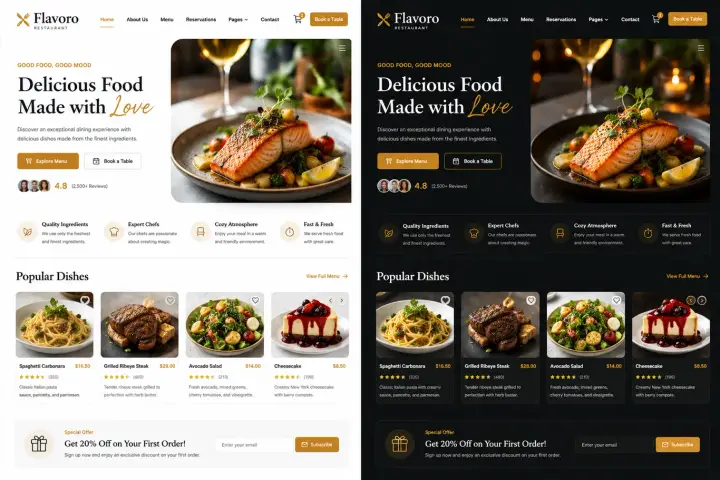
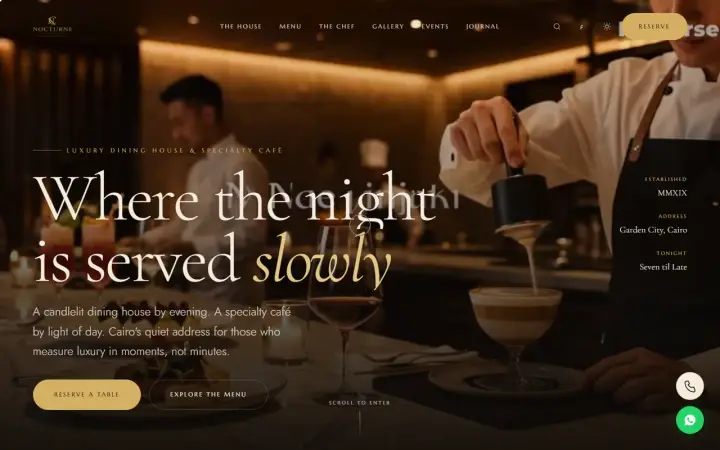
The first thing a guest looks for is the menu and the prices. If they find a photo of a printed menu, or a PDF that loads slowly, they have already started comparing you with somewhere else. A digital menu that opens in a second and reads well on a phone removes that doubt at the first step.
The real advantage of a digital menu is not how it looks; it is how fast it changes. A price moved? A dish sold out? You edit from your phone and the guest sees it immediately, through the same QR code on the table. No reprinting, and no guest ordering something you do not have.
Then there is commission. Delivery apps bring orders, but they take a share of each one and they own the customer, not you. Once orders come directly from your own site — even if they arrive on WhatsApp — you build a customer list of your own and can talk to it about offers without a middleman.
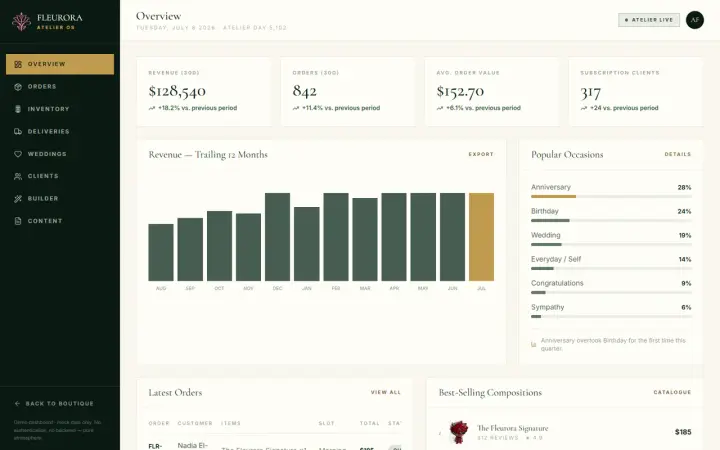
And when the place grows, the work turns into numbers: which dish sells, which stock runs out first, which branch earns. That is what separates a restaurant that is busy from one that knows how it is busy.