
Choosing a courier for your online store in Egypt
Bosta, Aramex and the rest — coverage, pricing and the technical integration that saves you hours.
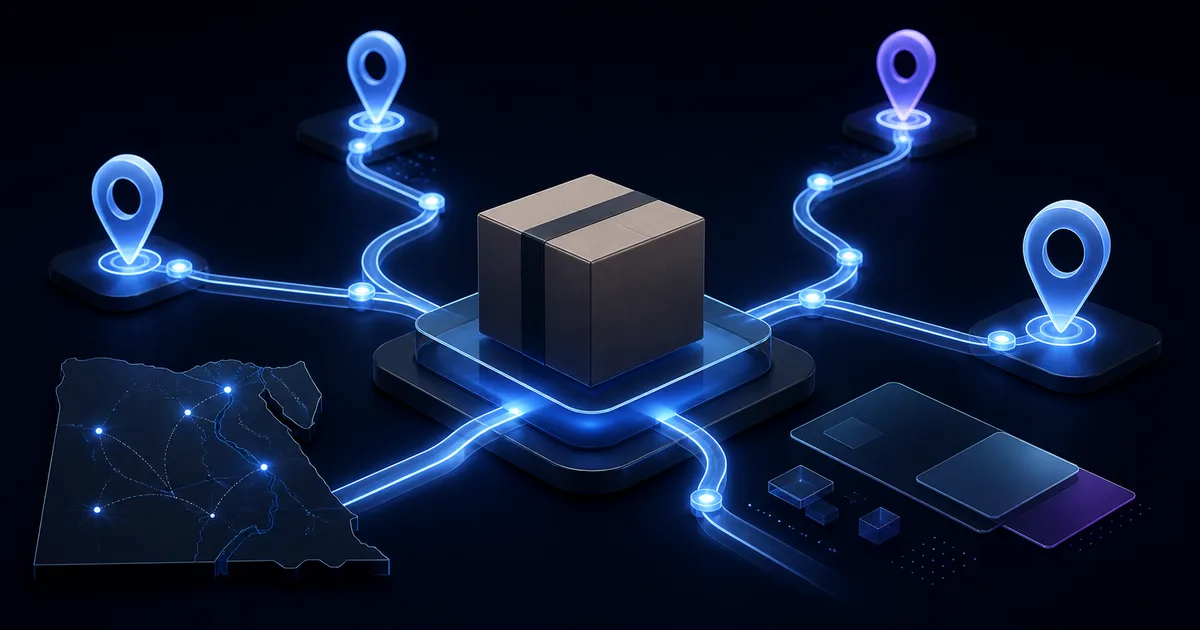
Shipping is not a detail. After the product itself, it is what customers judge you on. One late or damaged parcel loses a customer permanently.
What to compare
- Geographic coverage — do they actually reach Upper Egypt and the Delta?
- Shipment fee and cash-collection fee — two different numbers.
- Real delivery time, not the advertised one.
- Return policy and who pays for it.
- Whether they have an API.
Why the integration matters
Without it, someone re-types every order into the courier website. That takes time and creates mistakes. With it, orders flow automatically and the tracking number comes back to the customer page on its own.
Ask about the API on the first call. If there is not one, it will cost you hours every week.
One tip
Sign with two couriers, not one. When one is late or does not cover an area, you have an alternative the same day.
Turn the idea into a controlled launch
Start with the customer action the project must make easier: call, book, request a quote, buy or visit. That decision determines the page structure, content and tracking. A long feature list without a primary action usually produces an attractive project that nobody can measure.
Launch the smallest complete version, not a half-finished large version. Give one owner responsibility for content and approvals, test the full journey on a real phone, and record a baseline before launch. Improve from customer behaviour after launch rather than from internal opinions alone.
- Define one primary conversion and at most two supporting actions.
- Prepare final Arabic and English content before visual approval.
- Test forms, calls, maps, checkout and messages on real devices.
- Assign an owner and review performance every month.
A topic-specific field checklist
- Run a two-week sample across Cairo, Delta and Upper Egypt instead of trusting one advertised average.
- Track first-attempt delivery, refused orders, damage, return time and cash-on-delivery settlement separately.
- Use address validation and confirmation messages before printing the label.
- Keep a second courier active for uncovered areas and service interruptions.
Details most proposals miss
Commerce is a chain of records: product, price, stock, customer, payment, shipment, return and refund. A polished storefront is not enough if those records disagree. The implementation should make exceptions visible and reconcile money and stock every day.
- One authoritative product and stock record with controlled updates.
- Order states that separate confirmation, payment, fulfilment, delivery, return and refund.
- Idempotent payment and shipping callbacks so retries do not duplicate work.
- Address, variant and total-cost confirmation before fulfilment.
- Daily exception queues for failed payments, delayed shipments and mismatched settlements.
The TechMate implementation layer
TechMate designs the storefront and the operational trail together. The customer gets clear status, while the team gets searchable orders, timestamps, responsibility and reports that can explain where margin or delivery performance was lost.
- Egyptian-pound totals shown consistently from product to receipt.
- Cash-on-delivery and electronic-payment journeys reported separately.
- Courier and gateway reference IDs stored against the order.
- Return and refund rules visible before checkout and enforceable in operations.
- Analytics connected to confirmed revenue, not button clicks alone.
Delivery phases that reduce risk
Release commerce in a controlled loop from product setup to settlement. Do not scale traffic until exceptions can be detected, owned and resolved without editing records by hand.
- Clean product, variant, price and stock masters.
- Test success, failure, cancellation, return and refund.
- Pilot payment and courier flows with real references.
- Reconcile order, money and stock totals daily.
- Automate only after exception patterns are understood.
Questions that reveal implementation quality
- Which system is authoritative for stock?
- What happens when a callback arrives twice?
- How is a partial return represented?
- Who owns a delayed shipment or settlement difference?
- Can margin be reported after delivery and returns?
A realistic scenario
Example: a courier reports “customer unavailable” while the customer says nobody called. Store the attempt time, courier status, customer confirmation and escalation outcome. After a month, this evidence shows which areas or couriers create avoidable returns.
Sources directly related to this guide
Have a question this did not answer?
Send it over. We answer properly, whether or not you end up working with us.