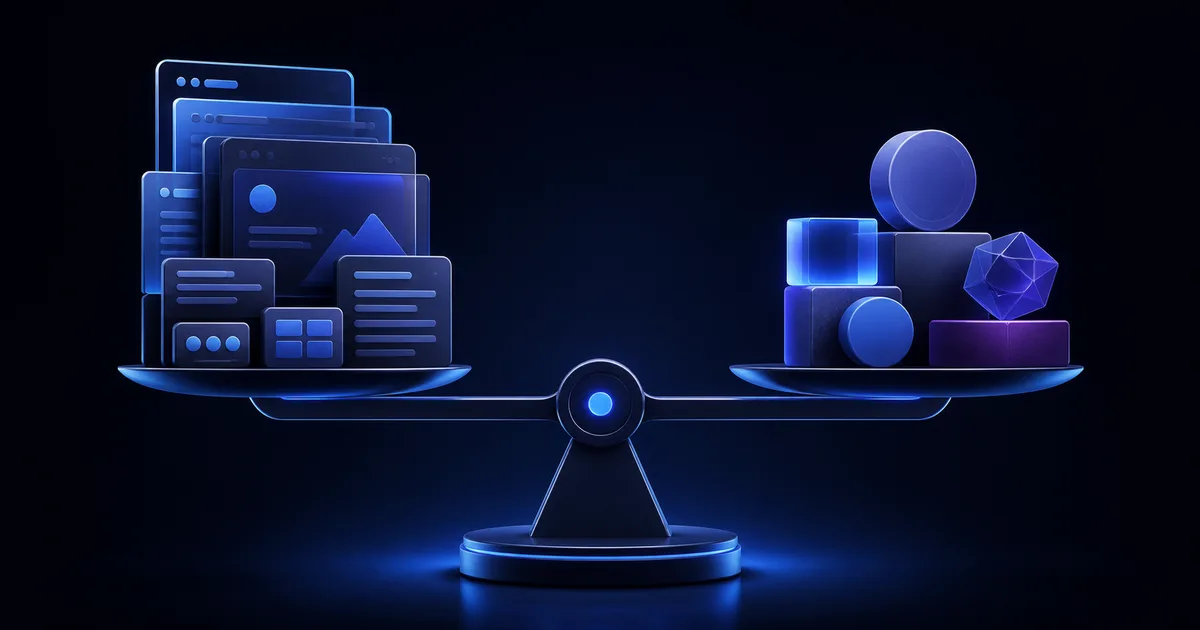
ERP cost: the numbers and the truth
Why ERP prices vary so widely, and how to work out what you actually need.
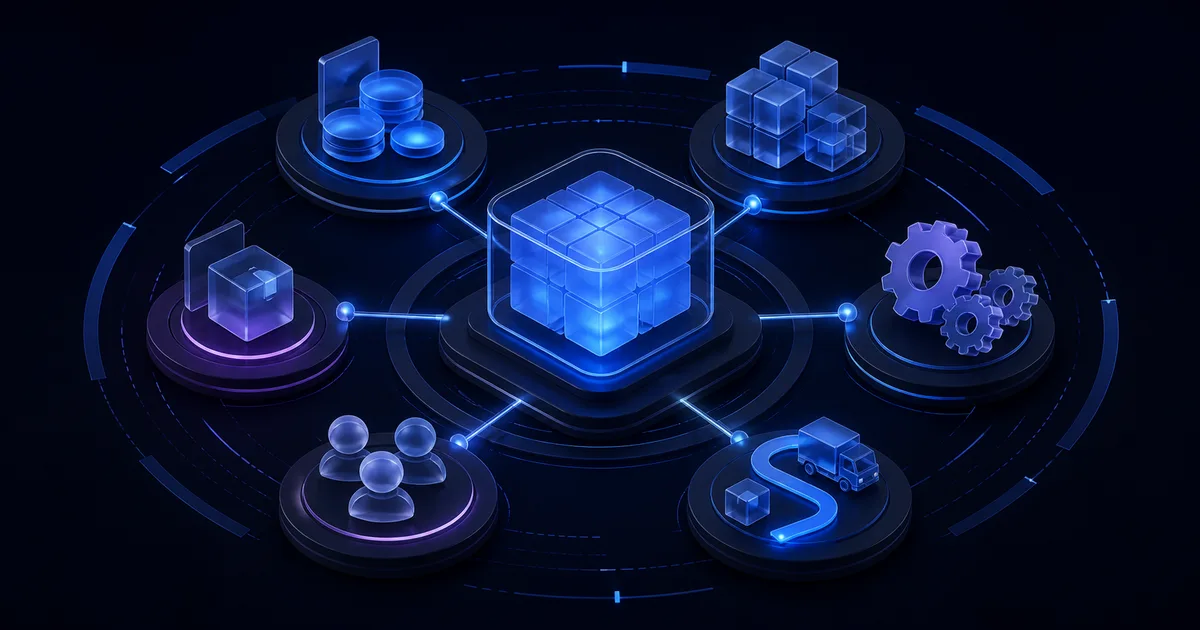
ERP is not one product — it is a set of modules. Price follows how many you need.
Common modules
- Inventory and purchasing
- Sales and invoicing
- Accounting
- HR and payroll
- Production, for factories
Ranges
- Two or three modules — the smallest practical scope, covering the core workflow.
- Four or five modules — brings data migration and wider permissions with it.
- Full factory system — branches, production and integrations, delivered in phases.
Do not buy a full ERP on day one. Start with the module that hurts today — usually inventory.
Hidden cost
Migrating old data, training the team, and a month or two of reduced output while everyone adjusts.
Build a budget that survives the real project
A useful budget separates the build from the operating cost. The build covers discovery, design, development, testing and launch. Operating cost covers hosting, paid services, maintenance, content and advertising. Mixing them into one number makes a cheap first quote look better than it really is.
Compare quotations using the same scope and insist that every price is written in Egyptian pounds. Ask whether VAT, third-party subscriptions, support, content entry and post-launch changes are included. For services invoiced from abroad, record the actual Egyptian-pound charge shown by the bank on the payment date instead of promising a fixed conversion.
- Write the exact pages, screens, integrations and revision rounds.
- Separate one-time delivery from monthly and annual costs.
- Keep a 10–15% contingency for approved scope changes, not unclear requirements.
- Tie payments to visible milestones and a written acceptance checklist.
A topic-specific field checklist
- Treat ERP as an operating change programme, not a large collection of screens.
- A focused two-module implementation is the smallest sensible start; data cleanup, integrations, factories, multiple branches and change management can multiply it several times over.
- Define the chart of accounts, master-data owners and approval matrix before configuration.
- Approve phase one only after reconciled opening balances and signed user testing.
Details most proposals miss
A price becomes meaningful only when it is connected to deliverables and operating assumptions. The useful comparison is not “how much?” but “what business capability exists on launch day, what evidence proves it works, and what will it cost to keep reliable?”
- A scope matrix that ties every screen and integration to an owner and acceptance test.
- Three cost columns: build, recurring operation and optional growth work.
- A dependency list for content, licences, payment providers, hosting and client approvals.
- A change-control rule that prices only genuinely new scope.
- A handover pack covering accounts, source files, backups and support contacts.
The TechMate implementation layer
In a TechMate scope, the useful difference is the operational layer around the deliverable. The client sees where the money goes and receives a product that can be measured, maintained and handed to another qualified team if needed.
- Arabic and English scope reviewed separately, including RTL behaviour.
- Mobile acceptance on real screen sizes, not a desktop preview resized by eye.
- Analytics events agreed before development instead of added after launch.
- Egyptian integrations and invoice requirements treated as core scope.
- A launch checklist with evidence for forms, payments, speed, access and recovery.
Delivery phases that reduce risk
A sensible commercial plan releases money when uncertainty falls. This protects both sides and keeps early discovery from being confused with finished production.
- Discovery: confirm users, goals, constraints and existing assets.
- Specification: approve scope, exclusions, dependencies and acceptance evidence.
- Prototype: validate risky journeys before full production.
- Delivery: test complete scenarios with real content and accounts.
- Operation: monitor, support and price later improvements from actual usage.
Questions that reveal implementation quality
- Which line items disappear if the scope is reduced?
- Which recurring costs are controlled by third parties?
- What evidence releases each payment milestone?
- Who owns every account and editable source file?
- How are defects separated from new change requests?
A realistic scenario
Example: purchasing cannot go live independently if item codes, suppliers, units and opening stock are unreliable. A phased ERP still needs a master-data plan so the first module becomes a foundation instead of another isolated system.
Important: The figures shown are starting estimates in Egyptian pounds, not a fixed quotation. Scope, taxes and third-party services determine the final price.
Sources directly related to this guide
Have a question this did not answer?
Send it over. We answer properly, whether or not you end up working with us.